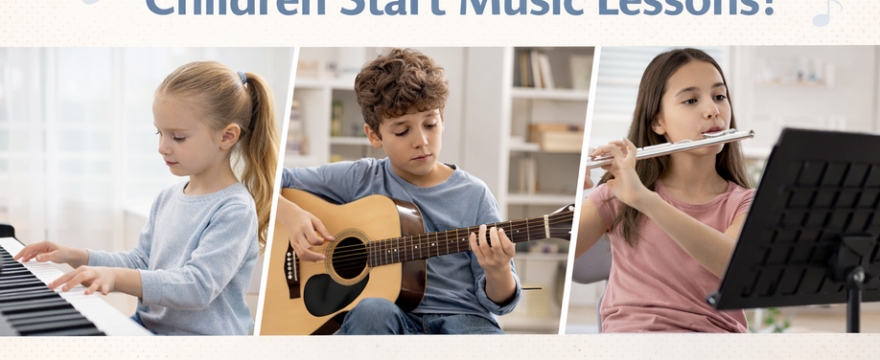
One of the most common questions parents ask is what age should children start music lessons?
It’s an important question—but the honest answer is that readiness matters more than age.
At Brighton Music Academy, we help families approach music lessons in a way that builds curiosity and confidence, without creating pressure or negative associations early on.
Enroll NowIs There a “Best” Age to Start Music Lessons?
Generally speaking, age 5 is often a good starting point for piano lessons.
Piano is a stationary instrument—you sit at it rather than hold it—which makes it more accessible for younger students. That said, age alone doesn’t tell the whole story. Some 4-year-olds are ready, and some 6-year-olds simply aren’t ready yet for a more sedentary, focused activity.
This is completely normal.
Readiness Matters More Than a Number
Instead of focusing on age, we look for readiness indicators such as:
- Ability to focus for short periods
- Curiosity about sound or music
- Willingness to follow simple instructions
When these things are present, lessons tend to be positive. When they aren’t, pushing too early can sometimes create frustration—or worse, a lasting negative association with music.
That’s why we strongly encourage trial lessons, especially for younger students.
Early Lessons Should Be Exploratory, Not Demanding
If a young child tries private lessons, we recommend keeping the experience loose and exploratory.
At early ages:
- There should be no heavy pressure to practice
- Lessons should feel engaging, not demanding
- Exposure alone is valuable
Children absorb a lot simply by being around music. Even without structured practice, they’re learning rhythm, sound, and familiarity in ways that often show up later.
What About Other Instruments?
While piano often works well around age 5, other instruments tend to require more physical readiness.
Instruments that must be held—such as guitar, violin, drums, or wind instruments—require coordination, posture, and stamina that develop at different times for different kids.
There’s no rush. As children grow and become more comfortable holding instruments or sticks, more options naturally open up.
Is It Okay If Music Is Just One of Many Activities?
Absolutely.
Many young students are exploring several activities at once—sports, dance, art, and music. That’s normal and healthy. We don’t demand a certain level of practice at this stage. Practice expectations should match the child’s interest and schedule.
You can be an occasional musician and still make meaningful progress. Not every student is aiming to be a virtuoso—and that’s perfectly okay. Music can be rewarding at any technical level.
When Waiting Is the Right Choice
Sometimes, even if a child meets the age guidelines, we recommend waiting.
If a child:
- Actively resists lessons
- Shows strong defiance about attending
- Seems emotionally overwhelmed
…it’s usually better to pause. Maturity develops at different rates, and early resistance says nothing about who that child will become later.
Kids are kids. Some have so much enthusiasm and energy that sitting down for lessons just isn’t the right fit yet.
Is It Ever Too Late to Start?
Not even close.
We often tell parents (and adults): if you still have a pulse, you can still learn rhythm.
Whether someone is starting at 7, 17, or 57, meaningful musical growth is always possible.
So, What Age Should Children Start Music Lessons?
In general:
- Around age 5 works well for piano, depending on readiness
- Readiness matters more than age
- Early exposure should feel positive and pressure-free
- Waiting is sometimes the smartest choice
If you’re unsure whether your child is ready, a trial lesson is a great way to explore options without commitment. Enrollment is flexible, and our goal is always to support long-term enjoyment and growth.